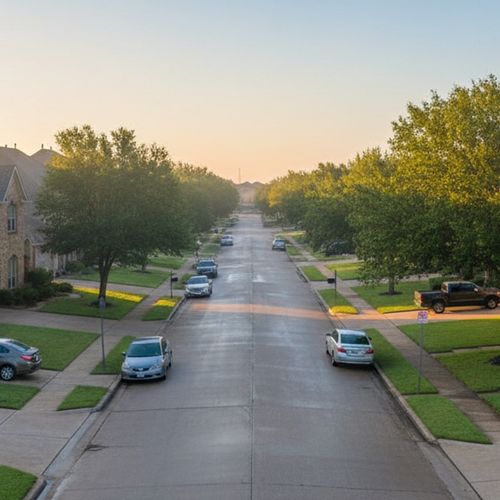


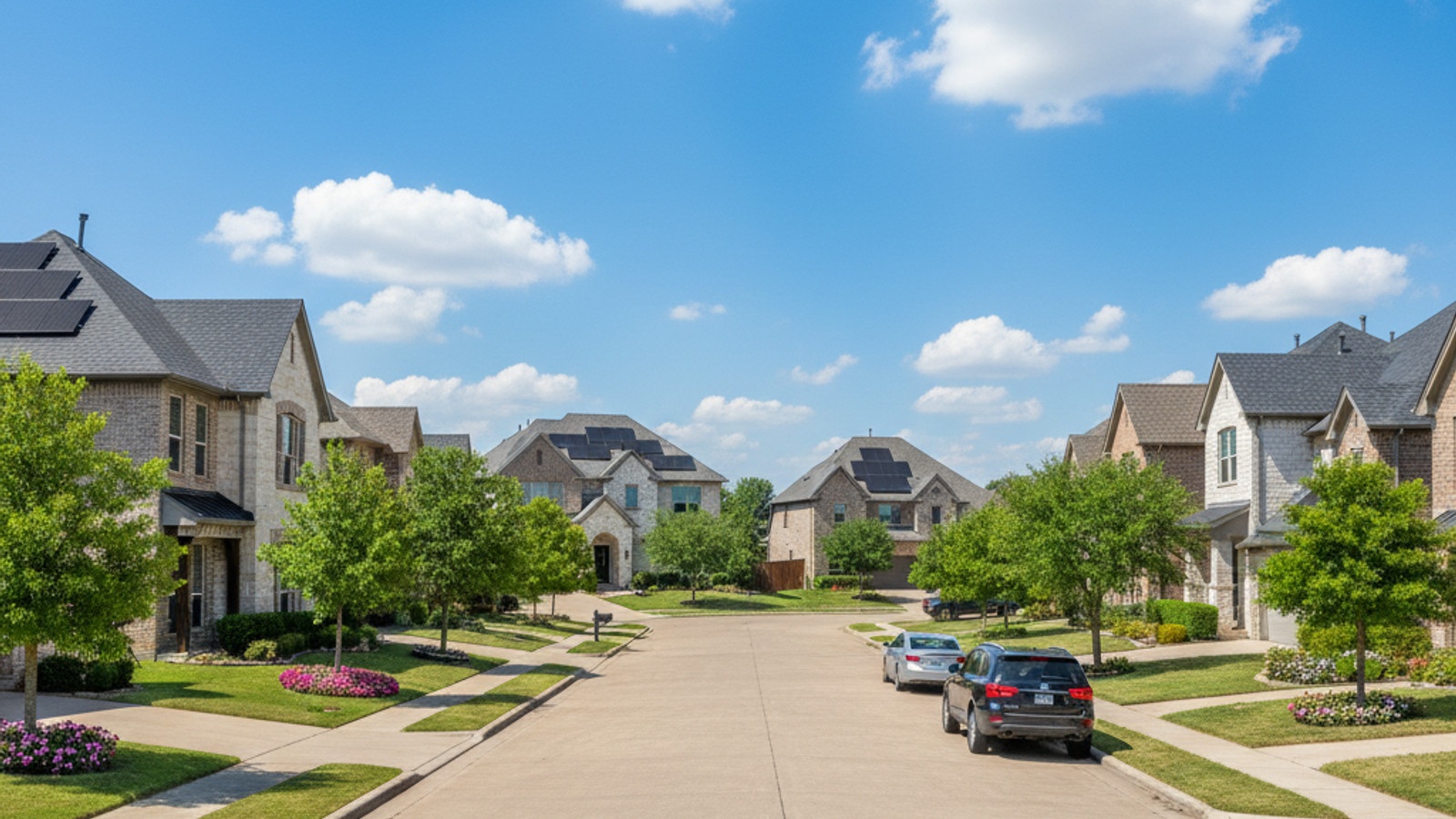
Welcome to North Richland Hills, one of the most sought-after suburbs in the Dallas-Fort Worth metroplex. If you are thinking about making a move here in 2026, getting a clear picture of your day-to-day expenses is the absolute best place to start. When I sit down with folks who are relocating, the first thing we do is grab a cup of coffee and look at the real numbers, stripping away the guesswork so you can plan your budget with confidence.
When we talk about a cost of living index, we are basically looking at a baseline score where the national average is set at exactly 100. Right now, the average cost of living in North Richland Hills hovers right around 100 to 102. This means your overall living expenses here are incredibly close to the national average, sometimes dipping 1% below or creeping 2% above depending on the specific category we are looking at.
What makes this area so appealing is the exceptional quality of life it offers residents without an outrageous price tag. You get a fantastic financial balance where slightly higher housing costs are offset by things that are lower than the national average, like transportation and certain tax burdens. If you are comparing options and reading a general guide about moving to the Dallas-Fort Worth area, you will quickly see that this suburb often hits the perfect sweet spot for both your monthly budget and your lifestyle.
Housing Costs: Buying vs. Renting in the Local Real Estate Market
Let's start with housing costs, since where you sleep is usually the biggest single line item in any household budget. Whether you want to buy your first house or lease a comfortable apartment, the real estate market here offers a variety of options that fit different financial goals. The cost of housing in this area is a reflection of its high demand and excellent location within Tarrant County.
For buyers looking at the current real estate market, the median home value in North Richland Hills generally sits between $366,000 and $384,000. When you break that down by size to see what you are actually getting for your money, you can expect an average price per square foot of around $197. This pricing is fairly competitive when you compare it to the broader Dallas-Fort Worth market, though it can be slightly higher than the national average depending on the exact neighborhood and the age of the property.
If buying is not on your immediate radar, the rental market is robust, highly active, and very approachable. The average rent for a standard one-bedroom or two-bedroom apartment typically ranges from $1,273 to $1,478 per month. You will find that many of these apartment communities offer excellent amenities, from community pools to fitness centers, adding a lot of value to that monthly payment.
Whether you are browsing active homes for sale in North Richland Hills or checking out local apartment listings, you will find that the area offers solid value for the space provided. Taking the time to explore different neighborhoods will help you find the exact right fit for your specific housing budget.
Tarrant County Taxes: Property Rates and Texas Benefits
After housing, it is incredibly smart to look at taxes, because they play a massive role in your actual take-home pay and your overall cost of living. Texas does things a bit differently than many other states, which can be a major win for your wallet if you know how the system works. When you move here, the way you are taxed shifts, and understanding that shift is crucial.
The biggest financial advantage of moving here is that Texas has absolutely no state income tax. This means more of your hard-earned salary stays in your pocket, significantly increasing your disposable income each month. Because there is no state income tax, the state relies heavily on property taxes and a local sales tax to fund municipal services, infrastructure, and local parks.
If you buy a home here, you will be paying Tarrant County property taxes. The effective property tax rate for the county is roughly 1.61%, while the specific tax rate for the City of North Richland Hills is approximately $0.497 per $100 of property valuation. These funds go directly back into the community, maintaining the local amenities and infrastructure that make the area so desirable.
While those property tax rates might look a bit high on paper compared to other states, that lack of state income tax almost always offsets the expense for the average earner. Just keep in mind that the local sales tax rate will also apply to your everyday purchases, so you will want to factor that into your weekly budget. Exploring a guide on Texas property tax exemptions - like the standard homestead exemption - is a great way to lower your annual tax bill even further once you purchase a home.
Utility Costs: Keeping the Lights and Water On
With the house secured and your taxes accounted for, you need to budget for the monthly utility bills. The Texas weather definitely plays a starring role in how much you will pay to keep your home comfortable, and this is one area where newcomers often need to adjust their expectations.
Because of our intensely hot summer months, the utility cost index in this area runs about 3% to 13% higher than the national average. Running your air conditioning from May through September is simply non-negotiable, and you will absolutely see that reflected in your electricity bill. The cooling demands here are high, so having a well-insulated home can make a big difference in your monthly expenses.
Beyond keeping the house cool, your other basic services are fairly standard for the region. For a typical single-family household, you can expect the following approximate monthly utility costs:
Water and sewer services: $50 to $90 per month, though this can increase if you are heavily watering a large lawn during a dry summer.
Electricity: This varies heavily by season, but expect noticeable spikes during the peak summer heat.
Internet and cable: Standard market rates apply depending on your chosen provider and connection speed.
Budgeting a little extra for utilities during those peak summer months will keep you from being surprised when the August electric bill arrives. Averaging your payments out over the year is a strategy many locals use to keep this expense predictable.
Transportation Expenses in the DFW Metroplex
Getting around is another daily reality, and the Dallas-Fort Worth metroplex is widely known as a car-dependent region. You will definitely need a reliable vehicle to navigate your daily routine, run errands, and get to work. Public transit exists, but having your own car is the standard way of life here.
The good news is that transportation expenses in North Richland Hills are generally 5% to 8% lower than the national average. This includes everyday costs like local gas prices, auto insurance rates, and general vehicle maintenance. Because the state is a major hub for the energy sector, fuel prices at the pump tend to be much more forgiving than what you might find on the coasts.
Commuting to Dallas or Fort Worth is a breeze thanks to the city's close proximity to major highways and tollways. While average commute times can vary based on rush hour traffic, having lower fuel and insurance costs makes the daily drive much more manageable for your budget. If you are reading up on commuting to Dallas or Fort Worth, you will find that living in this central suburb cuts down on travel time significantly compared to living on the far outer edges of the metroplex.
Groceries, Food, and Everyday Essentials
Let's talk about the fun stuff - food, dining out, and stocking your pantry. Your living expenses in this category will feel very familiar if you are moving from another major city in the United States. The local retail landscape is packed with options, from massive regional grocery chains to smaller specialty markets.
The grocery cost index in North Richland Hills is roughly 99, which puts it just 1% lower than the national average. This means your weekly trips to the supermarket will not bring any major sticker shock. You will pay standard prices for staples like milk, bread, produce, and household goods.
When planning your monthly grocery budget, it naturally depends on your household size and eating habits. Here is a rough idea of how you might plan your spending:
Single person: Standard national averages apply, leaving plenty of room for weekend dining and entertainment.
Household of four: Bulk shopping at local warehouse clubs and regional markets can keep costs highly manageable and efficient.
If you love trying new restaurants, the local dining scene offers everything from casual barbecue spots to upscale eateries. Eating out is reasonably priced, making it easy to enjoy the local flavor, grab a quick lunch, or celebrate a special occasion without breaking the bank.
Healthcare Access and Affordability
Medical care is an essential part of any long-term budget, and Tarrant County is incredibly well-equipped in this department. You will have excellent access to routine and specialized care without paying a massive premium for the privilege.
The healthcare cost index for the area sits comfortably right around the national average, scoring between 98 and 101. This means your out-of-pocket healthcare expenses, standard doctor visit co-pays, and prescription costs will be very typical compared to the rest of the country.
Residents benefit from a strong network of medical facilities, urgent care clinics, and specialized practitioners throughout the Dallas-Fort Worth area. Whether you are paying for individual health insurance premiums out of pocket or using a comprehensive employer-sponsored plan, your medical costs here are stable, predictable, and backed by world-class healthcare infrastructure.
Average Salary and Income Needed to Live Comfortably
So, what does it actually take to make the math work? Let's look at the average salary and the income you need to live comfortably in this specific suburb. Having a clear income target helps you negotiate your salary if you are relocating for a job, or simply helps you verify that your current remote income is sufficient.
A great way to define living comfortably is by using the classic 50/30/20 budgeting rule, where half your income goes to absolute needs, 30% to wants and lifestyle choices, and 20% straight to savings or debt payoff. To comfortably afford the average rent of $1,273 to $1,478 without being cost-burdened, an individual should earn a minimum of roughly $50,000 to $60,000 a year.
For context, the median household income in North Richland Hills is approximately $65,000 or more for renters, and notably higher for homeowners. This shows that the local economy supports the cost of living quite well, and most residents are earning enough to enjoy the local amenities while still putting money away for the future.
Because everyone's financial picture is totally unique, I highly recommend using a cost of living calculator to tailor these estimates to your individual situation. This will help you compare your current salary against local expenses, factor in the lack of state income tax, and ensure your move makes perfect financial sense.
Frequently Asked Questions About Living in North Richland Hills
Is North Richland Hills expensive to live in?
Overall, the area is very reasonably priced and aligns closely with the national average. While the median home value of $366,000 to $384,000 might be slightly higher than some rural Texas towns, you easily save money with lower transportation costs and zero state income tax. It offers a great middle ground for those wanting access to the big city without downtown prices.
What is the average income in North Richland Hills?
The median household income in the area generally starts around $65,000 for renters and scales up significantly for homeowners. This strong local earning power pairs exceptionally well with everyday living expenses. It allows most residents to maintain a balanced budget while enjoying everything the Dallas-Fort Worth metroplex has to offer.
What salary do I need to live comfortably in Texas?
To comfortably afford the average rent in this specific suburb without financial stress, an individual should aim for an annual salary of at least $50,000 to $60,000. Applying the 50/30/20 rule to this income ensures you can cover housing and utilities while still having room for entertainment and savings. If you plan to buy a home, you will want to scale that income requirement up to comfortably manage property taxes and maintenance.
Is North Richland Hills, TX a good place to live?
Yes, it offers an exceptional quality of life with fantastic proximity to parks, extensive local amenities, and easy access to major employment hubs. The balance of a strong local real estate market and reasonable everyday expenses makes it a highly attractive destination. Residents enjoy a comfortable lifestyle that perfectly bridges suburban tranquility with urban convenience.
Check out this article next