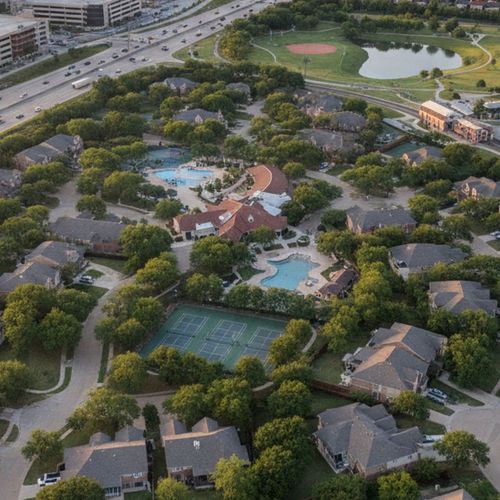

North Richland Hills, TX, sits inside Tarrant County and ranks as the third-largest city in the county behind Fort Worth and Arlington. The population hovers around 70,000 residents as of 2026. Buyers often look at this Mid-Cities suburb because of its central location between Dallas and Fort Worth. Partnering with the best real estate agent in North Richland Hills, TX helps buyers secure the right property.
The area appeals to buyers seeking specific amenities like established public school zones, municipal recreation centers, and direct commuter rail access. Local real estate inventory, property tax rates, and daily commute times determine whether this suburb meets your household's requirements.
Where North Richland Hills Fits in the Mid-Cities
North Richland Hills shares borders with Haltom City, Keller, and Southlake. The city stretches across 18 square miles of Tarrant County. Davis Boulevard and Precinct Line Road serve as the primary north-south traffic corridors connecting the residential areas.
This central placement puts residents directly in the middle of the Dallas–Fort Worth metroplex. The layout features dense commercial development along major thoroughfares, while residential subdivisions fill the spaces between them. Retail centers, grocery stores, and medical facilities line the main roads.
Buyers relocating to the DFW area often compare North Richland Hills to neighboring suburbs. The infrastructure supports a mix of older, established neighborhoods with mature trees and newer planned developments. Access to major highways dictates much of the city's growth pattern.
School District Zoning and Boundaries
Public education zoning in North Richland Hills splits between two distinct districts. The Birdville Independent School District covers the southern and central portions of the city. The Keller Independent School District serves the northernmost neighborhoods.
Buyers should check the specific address of any listing against the 2026 school zoning maps. A home's location on one side of a street can dictate a completely different high school track. Boundaries do not follow simple neighborhood lines or main roads.
Students in the southern and central zones typically funnel into Richland High School or Birdville High School. Those living in the northern sections zoned for Keller ISD attend high schools within that district's network. Property values often correlate with specific school attendance zones.
City Parks, Trails, and the NRH Centre
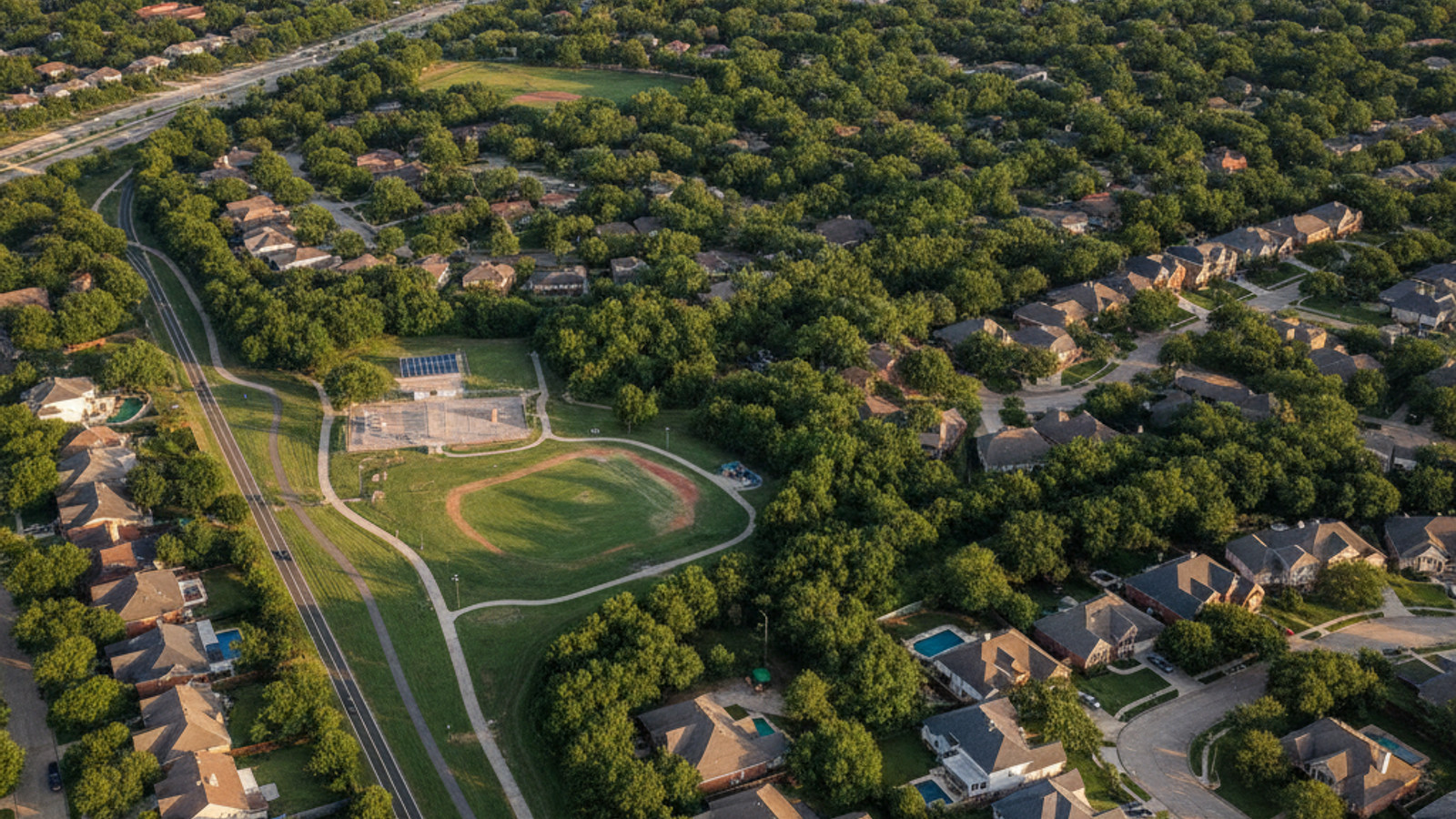
The municipal government maintains a 26-mile regional trail network for walking and cycling. The Cotton Belt Trail runs straight through the city, providing off-street paths for residents. This trail system connects several local green spaces and residential subdivisions.
The NRH Centre serves as the primary municipal recreation hub. This facility includes an indoor aquatic center, fitness areas, and event spaces, sitting directly adjacent to the public library. Just down the road, the NRH2O Family Water Park operates during the summer months.
Some specific developments incorporate walkability into their design. The HomeTown NRH neighborhood features pedestrian-friendly streets built around lakes and park spaces. Golfers in the area use the Iron Horse Golf Course, a municipal 18-hole course built around a working rail line.
Current Home Prices and Property Taxes
The median sale price for homes in North Richland Hills, TX, sits at roughly $405,000 as of mid-2026. Houses stay on the market for an average of 34 days. Sellers currently receive about 98.7% of their list price, and inventory remains tight with just over two months of supply.
The housing market consists primarily of single-family homes, though townhome developments exist near the main transit corridors. Buyers should prepare to act quickly when a well-priced property hits the market, as a quarter of recent sales closed above the original asking price.
The city property tax rate is set at approximately $0.4978 per $100 of assessed valuation for the 2026 fiscal year. This municipal rate is just one part of the total tax bill, which also includes county, school district, and hospital taxes. Filing a local homestead exemption lowers the taxable value of a primary residence.
Commuting to Fort Worth and Dallas
Interstate 820 loops through the southern edge of the city, acting as the main highway connection to Downtown Fort Worth. Drivers can typically reach the Fort Worth city center in 15 to 20 minutes outside of peak rush hour. The drive to Dallas takes closer to 40 minutes via State Highway 183.
For public transit, the city operates two TEXRail commuter rail stations: Iron Horse Station and Smithfield Station. A one-way ticket costs $2.50, and these stations include dedicated parking lots for daily commuters.
TEXRail provides a direct rail connection to DFW Airport Terminal B. This route eliminates the need for airport parking and avoids highway traffic on Route 121. The train also runs directly into downtown Fort Worth, offering an alternative to driving.
Frequently Asked Questions About North Richland Hills
What school district is North Richland Hills in?
Two public school systems serve the city based on geographic boundaries. The Birdville Independent School District covers the central and southern areas, while Keller ISD covers the northern neighborhoods. You can verify exact zoning using the Tarrant County Appraisal District maps.
How far is North Richland Hills from DFW Airport?
The city sits about 12 miles west of Dallas/Fort Worth International Airport. Driving takes roughly 20 minutes via Highway 183 or Route 121, depending on traffic conditions. Residents can also take the TEXRail train straight into Terminal B.
What is the average home price in North Richland Hills, TX?
The median home sale price is currently around $405,000. Real estate inventory moves fast, with properties spending roughly 34 days on the market before going under contract. Bidding wars still happen, as about 25% of homes sell above their list price.
How much are property taxes in North Richland Hills, TX?
The specific municipal tax rate is roughly $0.4978 per $100 of assessed value. When combined with school and county taxes, the total effective tax rate typically hovers between 2.2% and 2.5%. Texas homeowners can lower their annual bill by applying for a homestead exemption.
What are the best neighborhoods in North Richland Hills?
Buyers seeking large yards and mature trees often look at established areas like Smithfield. Those wanting pedestrian-friendly streets and newer builds tend to target HomeTown NRH. Both areas offer quick access to local trails and municipal recreation facilities.
What are the best parks and recreation centers for kids in North Richland Hills?
The NRH Centre offers an indoor aquatic facility, basketball courts, and community event rooms. During the summer, the municipal NRH2O Water Park provides wave pools and water slides. The city also maintains several neighborhood playgrounds connected by the 26-mile Cotton Belt Trail system.
Check out this article next