

Bedford sits right between Dallas and Fort Worth, which makes it a consistent target for buyers relocating to Tarrant County. Whether the pros and cons of buying a home in Bedford, TX actually line up with your situation depends on a few hard numbers - current housing data, commute times, and what's available locally. Homes here are spending roughly 27 days on the market as of mid-2026, so this isn't a place where you can take your time. Before packing anything, it's worth looking at the concrete statistics rather than whatever you heard from someone who almost moved here.
The Reality of Moving to Bedford
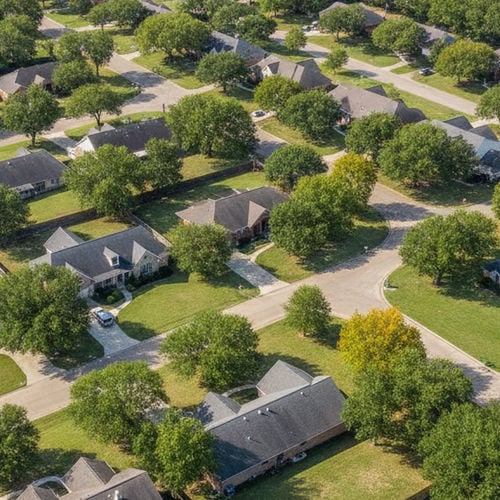
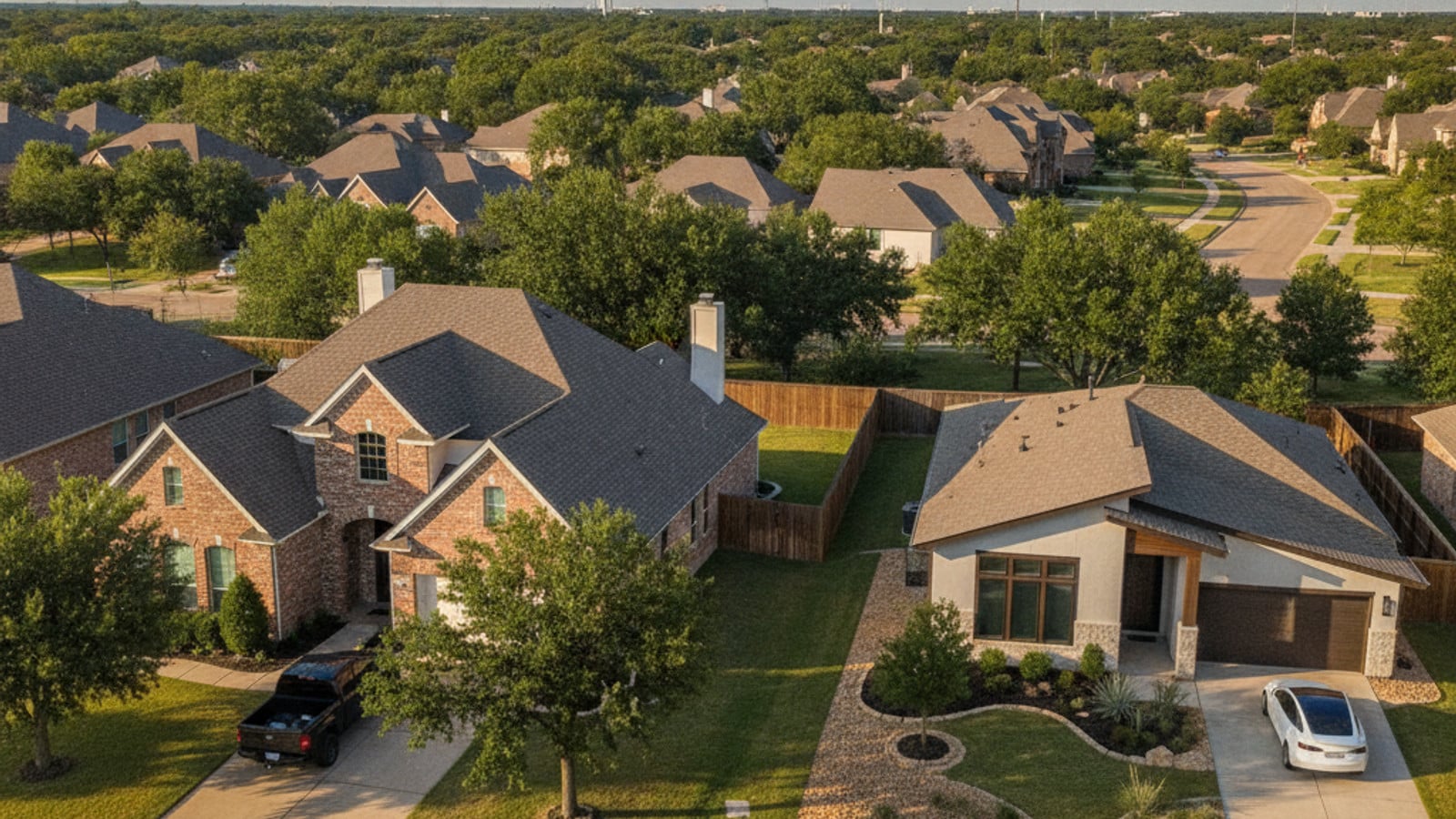
Bedford's central location is its most obvious asset - it shaves real time off the drive to major employment centers in both Dallas and Fort Worth. But that convenience comes with a tradeoff: this is a densely developed suburban environment, and the available housing inventory is tight. With about 2.1 months of supply currently on the market, you're not going to have an easy time browsing at a leisurely pace.
Upsides to Consider
The commute numbers are legitimately good. Fort Worth is about 17 minutes away, and Dallas runs 22 to 29 minutes depending on traffic. The overall cost of living index sits at 98.6 nationally, which means day-to-day expenses stay close to the U.S. average. Residents also have access to renovated public spaces like Generations Park.
Downsides to Weigh
The housing market doesn't give buyers much leverage. Just over 100 active listings are available at any given time, and homes are selling at roughly 99.2% of list price - there's not much room to negotiate. Population density runs about 4,894 people per square mile, so suburban traffic congestion is a real part of daily life. And Tarrant County property tax assessments will have a direct impact on your monthly payment - that's not a line item you can ignore when you're running the numbers.
Location and Dallas-Fort Worth Access
Bedford sits in Tarrant County in the stretch of suburbs commonly called the Mid-Cities - about 15 miles from Fort Worth and 22 to 23 miles from Dallas. The city's geography plugs directly into major highway infrastructure, which for most residents ends up dictating their daily routine more than anything else. The citywide average commute time works out to about 24.5 minutes.
Tarrant County Positioning
Being positioned between two major metro hubs means you can pull amenities from both directions, which sounds nice in theory. In practice, the straight-line distance to Dallas is roughly 20 miles, but driving routes are what actually determine how your mornings feel. Most residents drive alone to work. If you're seriously considering a move, map your specific workplace before you fall in love with a listing.
Population and Size
The city covers approximately 10 square miles. The 2024 Census puts Bedford's population at around 49,085, though recent trends show a slight decline - down to an estimated 48,183 by 2026 from a 2020 peak. The median age is 39.5 years.
Evaluating Bedford Crime Data
The most recent complete look at local crime comes from FBI data covering the 2024 calendar year, released in September 2025. Bedford recorded 102 violent crimes, translating to 210 per 100,000 residents - that figure sits 43.2% below the national average, which is meaningful. Property crime tells a different story: 1,072 incidents, or 2,207 per 100,000 residents, putting Bedford 12.9% above the national average on that measure.
Recent Statistics and Rates
The combined crime rate lands about 4% above the national average, placing Bedford in the median range among U.S. municipalities. Different data aggregators will sometimes show you different numbers depending on their methodology, so if you're going to research this seriously, go to primary sources - the FBI Uniform Crime Reporting program gives you the clearest picture.
How to Research Specific Areas
Citywide figures only tell you so much. The Bedford Police Department and the Tarrant County Sheriff's Office both maintain public records and incident maps. Pulling up the specific block you're considering gives you a factual basis for your decision rather than a general impression of the city.
Housing Costs and Everyday Expenses
Housing is where Bedford's cost story really lives. The median sale price as of mid-2026 sits around $387,000, up roughly 3.2% year-over-year - steady demand, not a spike. Half of all listings are selling in 27 days or less.
Current Home Prices and Rent
Over a quarter of recent sales closed above asking price, so "competitive" isn't an exaggeration. If you're considering renting first, median gross rent was approximately $1,620 in 2024. The 2024 Census data showed a median home value of $350,700, and current market data confirms that trajectory has continued upward into this year.
Salary and Living Expenses
The median household income in Bedford is $83,971, according to 2024 Census estimates - a figure that aligns reasonably with the city's near-average cost of living index. Groceries, transportation, and utilities all track close to national baselines. What actually determines your budget is your specific salary set against current mortgage rates and local property taxes, so run that math before you start touring.
Local Amenities and Weather
Living in Tarrant County means living with North Texas weather - hot summers, and a real exposure to severe weather events including potential tornadoes and heavy rainfall. That's not a minor footnote; it affects your insurance costs and your homeowner's responsibilities in ways that matter. The city does maintain public facilities that give residents recreational options without requiring a trip into Dallas or Fort Worth.
Parks and Recreation
Generations Park is the standout - a recently renovated public space that includes a playground, a water park, and a softball complex for local leagues. An event green space on the grounds hosts community gatherings throughout the year, including the annual "Pickle Passports" gathering.
Climate and Natural Elements
The regional exposure to natural hazards means your insurance policy deserves a close read before closing. Flood maps and wind coverage limits are worth understanding before you get any surprises post-purchase. If you have questions about municipal tap water quality, the city posts its annual water quality reports online - the data is there if you want it.
Comparing Bedford to Nearby Cities
Buyers looking at the Mid-Cities usually end up comparing Bedford directly against its immediate neighbors. Dallas and Fort Worth offer urban density; Bedford gives you a suburban layout across 10 square miles of residential and commercial zoning. The decision generally comes down to commute preferences and budget. A $387,000 median price in Bedford may get you a different style or size of home than the same money buys in a Dallas neighborhood - that's worth thinking through carefully.
Commute and Housing Tradeoffs
The 17-minute drive to Fort Worth is a real advantage if you work in Tarrant County. Getting to Fort Worth from a Dallas suburb takes considerably longer. The housing stock in Bedford is largely established single-family homes - there's limited room for sprawling new construction at this density. If a brand-new build is important to you, you'll probably need to look further out.
Specialized Housing Options
The local market includes properties designed for specific life stages and medical needs, from independent living to full-time care. Zoning in Tarrant County accommodates multiple types of specialized facilities, but the gap between one building and the next in terms of amenities and services can be significant. Research at the individual property level is the only way to get an accurate picture.
Senior and Assisted Living Facilities
Bedford has several senior living and assisted living options, ranging from independent 55+ apartments to properties offering full-time medical assistance. Facility names and ratings shift over time, so touring in person matters. State licensing records will tell you the current standing of any assisted living provider you're seriously considering.
Sober Living Communities
The area also includes sober living homes that support individuals in recovery, with structured environments integrated into residential neighborhoods. Local directories can help you identify specific properties. Confirming certification through state or regional recovery organizations is the right way to verify that a property meets standard guidelines.
Frequently Asked Questions
How much are property taxes in Bedford compared to surrounding Tarrant County cities?
Property taxes in Bedford align with general Tarrant County rates, though the exact bill depends on the specific school district and municipal assessments. Check the Tarrant Appraisal District website for the exact rate on any property you're considering.
How bad is the commute from Bedford to downtown Dallas or Fort Worth?
Fort Worth is about 17 minutes away, covering roughly 15 miles. Dallas runs 22 to 23 miles and typically takes 22 to 29 minutes depending on highway traffic.
Do homes in Bedford get a lot of airplane noise from DFW Airport?
Bedford sits close to Dallas/Fort Worth International Airport, and some neighborhoods do fall under overhead flight paths. Spend time at any property you're seriously considering - at different times of day - before you make a decision.
Should I buy a house in Bedford or neighboring Hurst and Euless?
That depends entirely on your specific budget and commute requirements. Bedford's median home price is $387,000 with a 24.5-minute average commute - compare those figures against current listings in Hurst and Euless and see which pencils out better for your situation.
Are most homes for sale in Bedford older, and will they need major renovations?
Bedford is an established suburban area with a density of about 4,894 people per square mile, which means much of the housing stock was built decades ago. Budget for a thorough inspection on any property you're considering - older homes can surprise you.
Is all of Bedford zoned for the HEB Independent School District?
You can't reliably answer that without checking a specific address. Use the school district's official boundary maps or the county appraisal district to confirm zoning for any home you're seriously considering.
Check out this article next