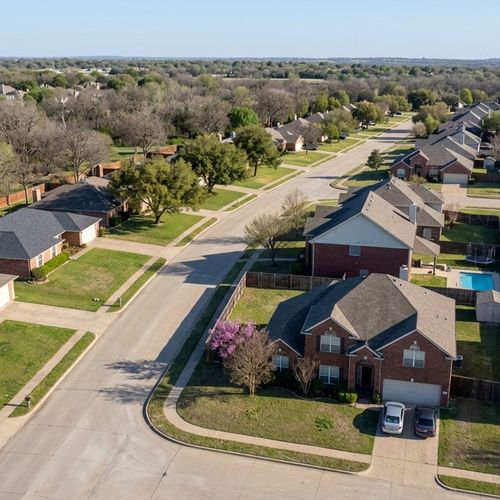


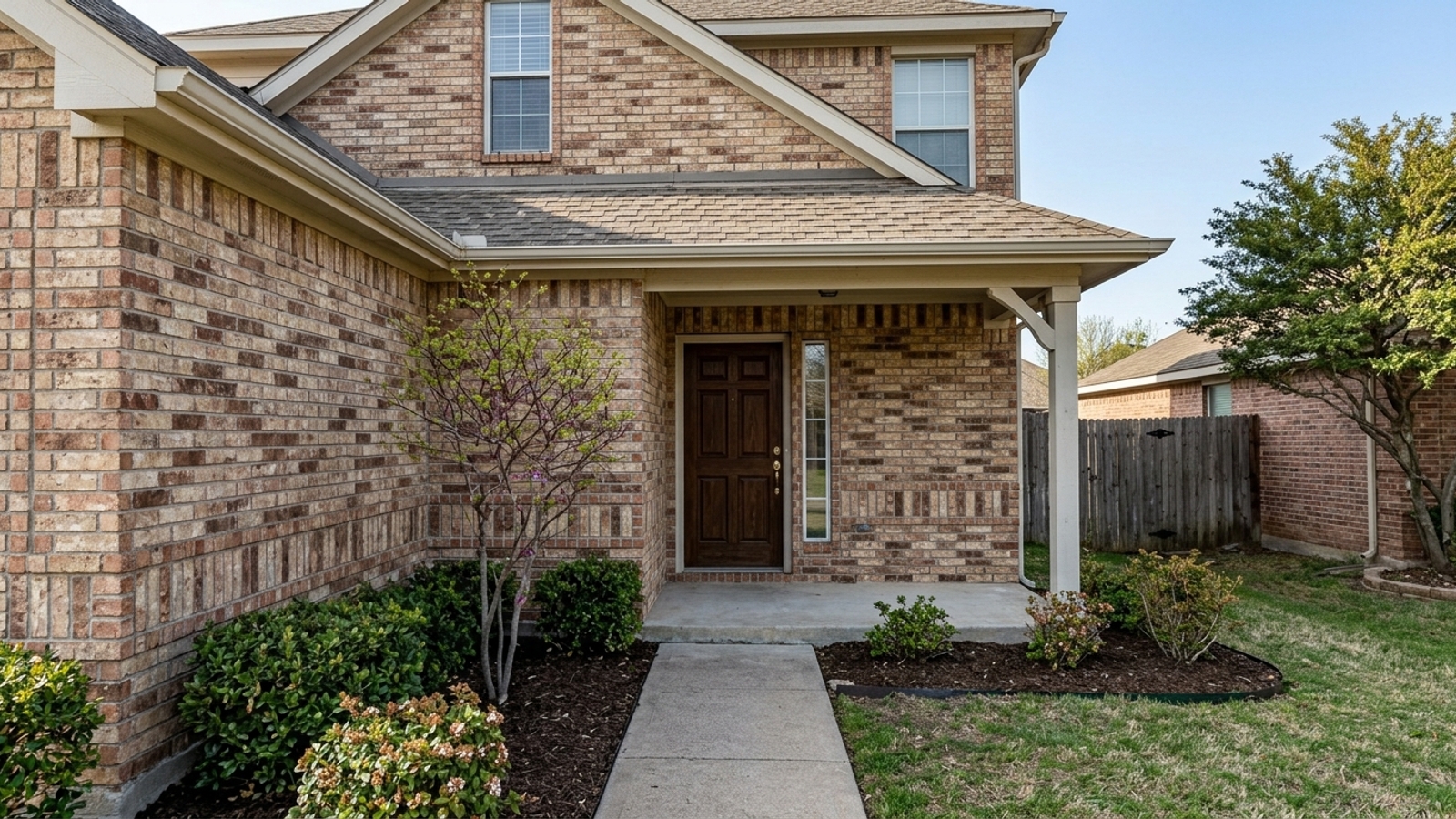
Bedford sits squarely between Dallas and Fort Worth - geographically, and in a lot of ways financially. If you're shopping the Mid-Cities and looking at the pros and cons of living in Bedford, TX, you already know the draw: you're not committing to either side of the metroplex, and your commute stays manageable regardless of where you end up working. What the cost of living looks like here is a more nuanced question, and that's what this guide is for.
Understanding what you'll pay for housing, utilities, and daily expenses is the only honest way to figure out whether Bedford fits your budget today and long-term.
How Bedford Compares to National Averages
Cost of living indexes measure local expenses against a national baseline of 100. Depending on which data model you use, Bedford lands anywhere from 97 to 111 - meaning somewhere just below to modestly above the national average. The spread is wide enough that you shouldn't anchor too hard to either end.
The broader consensus puts Bedford very close to that national baseline. Utilities run higher than the U.S. average, but Texas has no state income tax, and that difference shows up in your paycheck every single month. Those two forces tend to offset each other for most households.
The Verdict on Local Affordability
Where you're coming from matters more than any index number. If you're relocating from a coastal market, Bedford will feel affordable - probably noticeably so. If you're moving from rural Texas, expect a step up in both housing and utility costs.
Across most categories, Bedford tracks closely with the Texas statewide average. Your housing payment is the single variable that will make or break the budget math here.
Home Prices and Rental Rates in Bedford
Recent data shows around 100 active listings and about 2.3 months of supply - a market that's neither frenzied nor slow. The median sale price sits at approximately $400,000, and homes are typically going under contract after about 30 days on the market.
Sellers are faring well. The average sale-to-list ratio is holding near 99%, and 136 homes have sold recently. Well-priced listings aren't sitting around.
On the rental side, a one-bedroom apartment will typically run you somewhere between $1,100 and $1,215 per month. Two-bedrooms generally land between $1,465 and $1,600. When you factor in larger single-family rentals, the broader market average climbs to around $2,200 per month.
How Bedford Housing Stacks Up Against the Metroplex
Bedford competes directly with the surrounding Mid-Cities towns for buyer attention, and that $400,000 median puts it in a reasonable position - not cheap, but not approaching the price levels of the more premium markets closer to Dallas.
Buyers who care about keeping their commute short to both cities tend to land here deliberately. The trade-off is that inventory stays relatively tight, so when something hits the market that checks your boxes, sitting on it for a week to think it over usually isn't an option.
Everyday Expenses Beyond Your Housing Payment
Groceries in Bedford come in at a cost of living index of exactly 100 - right at the national average, though that's slightly above Texas's statewide grocery index of 96. It's not a dramatic difference, but it's worth knowing.
Utilities are the category where Bedford stands out, and not in a favorable way. The local utility index is 111, which means you're paying roughly 11% more than the national average to keep the lights on and the air conditioning running through a Texas summer. Budget accordingly.
Transportation and Healthcare Costs
Transportation offers genuine relief. The local index sits at 89, about 11% below the national average and a bit lower than the Texas average of 92. If you're driving regularly across the metroplex, those savings add up.
Healthcare runs the other direction. The local healthcare index is 108 - about 8% above the national average, and well above the Texas statewide average of 94. That gap is worth factoring in, especially if you're managing ongoing medical expenses.
What to Expect from Local Taxes
No state income tax in Texas. That's real money back in your pocket each month, and it's one of the first things people notice when they move here from a state that does collect it.
The trade-off is that sales and property taxes carry more of the load. Bedford's combined sales tax rate is 8.25%, built from a 6.25% state rate plus a 2% local city tax - no additional county or special district charges on top of that.
Property taxes are where buyers sometimes get caught off guard. The effective property tax rate in Bedford is estimated at around 1.62%, which works out to a median annual tax bill of roughly $5,230. Run that number through your monthly mortgage calculation before you fall in love with a specific price point - it changes the math more than people expect.
Income Requirements for Living in Bedford
Recent data puts the median household income in Bedford somewhere between $81,000 and $85,000 per year. That range lines up reasonably well with local housing costs and everyday expenses, assuming you're budgeting carefully for property taxes and summer utility bills - the two categories most likely to surprise you.
Target Salaries for Singles and Households
A single person needs an estimated minimum of $54,000 a year to cover basic necessities comfortably here. In the 76021 zip code specifically, that number edges up to $54,400.
Families are looking at a higher floor. The estimated minimum for a family to live comfortably in Bedford is $66,600, and in the 76021 zip code that rises to approximately $71,280. Childcare, larger housing, and bigger grocery bills account for most of that gap.
Weighing the Pros and Cons of a Move
The central location is the main reason people choose Bedford. Quick access to both Dallas and Fort Worth is genuinely useful if your work or your life pulls you in both directions, and that convenience is hard to replicate without a longer commute.
The honest drawbacks are property taxes and utilities, both of which run above the national baseline. The no-income-tax benefit and below-average transportation costs soften that, but they don't erase it.
The median home price is roughly $400,000, the effective property tax rate is 1.62%, and the market is steady rather than sleepy. Run your own numbers with those figures in hand before you decide - that's the only calculation that matters for your situation.
Frequently Asked Questions
Is it expensive to live in Bedford, TX?
It depends on your baseline. Bedford's overall cost of living sits very close to the national average, though utilities and healthcare run higher than that average. For most households, the absence of a state income tax helps offset those premiums.
What salary do you need to live comfortably in Bedford, TX?
A single person needs a minimum of roughly $54,000 a year to cover basic necessities comfortably. For a family, that minimum rises to $66,600 - and to approximately $71,280 in the 76021 zip code specifically.
Why is Bedford, TX so expensive?
Bedford isn't universally considered expensive - its overall cost of living index hovers close to the national average. That said, its central Mid-Cities location between Dallas and Fort Worth keeps housing demand steady, which supports a median home price of roughly $400,000.
How do home prices and rent in Bedford compare to the rest of the Dallas-Fort Worth area?
Bedford occupies a middle-ground position in the metroplex - well below the most expensive Dallas suburbs, but not a budget market either. The median sale price is approximately $400,000, and overall rental averages run around $2,200 per month depending on property size.
What should I expect to pay for average property taxes and utilities in Bedford?
Plan on an effective property tax rate of roughly 1.62%, which translates to a median annual bill of about $5,230. Utilities run approximately 11% above the national average - a real line item in your monthly budget, particularly in summer.
Is Bedford, TX a good place to live?
For buyers who want a central location with straightforward access to the entire Dallas-Fort Worth metroplex, it's a strong option. The housing market is stable, transportation costs are below average, and the overall cost of living tracks closely with national averages.
Check out this article next