

The Dallas-Fort Worth metroplex continues to expand, and Tarrant County remains a primary focus for buyers looking to balance space and accessibility. Tracking the Average Home Cost in North Richland Hills, TX reveals a market that has stabilized since the rapid fluctuations of the early 2020s. Buyers entering the 2026 market will find predictable pricing trends and a steady supply of available homes.
Knowing the median sale price is just the first step in planning a purchase. A true budget requires looking at property taxes, neighborhood differences, and the varying price per square foot across local zip codes. The data shows clear patterns for what buyers can expect to spend based on the type of house they want.
Real estate trends in this municipality reflect broader Texas housing market shifts, with a strong emphasis on suburban infrastructure. The local agent community tracks these numbers closely to help clients structure competitive offers. Understanding the baseline numbers prevents buyers from overpaying or underestimating their monthly obligations.
What Buyers Pay for Real Estate Right Now
The median home price in North Richland Hills currently sits around $400,000. This figure serves as a reliable baseline for a standard three-bedroom, two-bathroom house in the area. Buyers should note that the average price per square foot for residential properties is roughly $207 across the city.
Pricing varies noticeably between the city's primary zip codes. The 76180 zip code in the southern and central sections often presents lower entry prices for older builds. Moving north into the 76182 zip code, median prices rise as lot sizes increase and newer construction becomes more common.
The sale-to-list price ratio remains balanced, meaning most homes close near their asking price. Median days on market hover around a month, giving buyers enough time to schedule a real estate appraisal without losing the property to an immediate cash offer.
This balanced pace is a welcome shift for buyers financing their purchase.
Inventory levels have normalized, providing more options than buyers saw a few years ago. Sellers are pricing their properties based on recent local comparables rather than speculative future values. This environment favors buyers who enter the market with a clear understanding of their purchasing power.
Property Styles and Their Price Tags
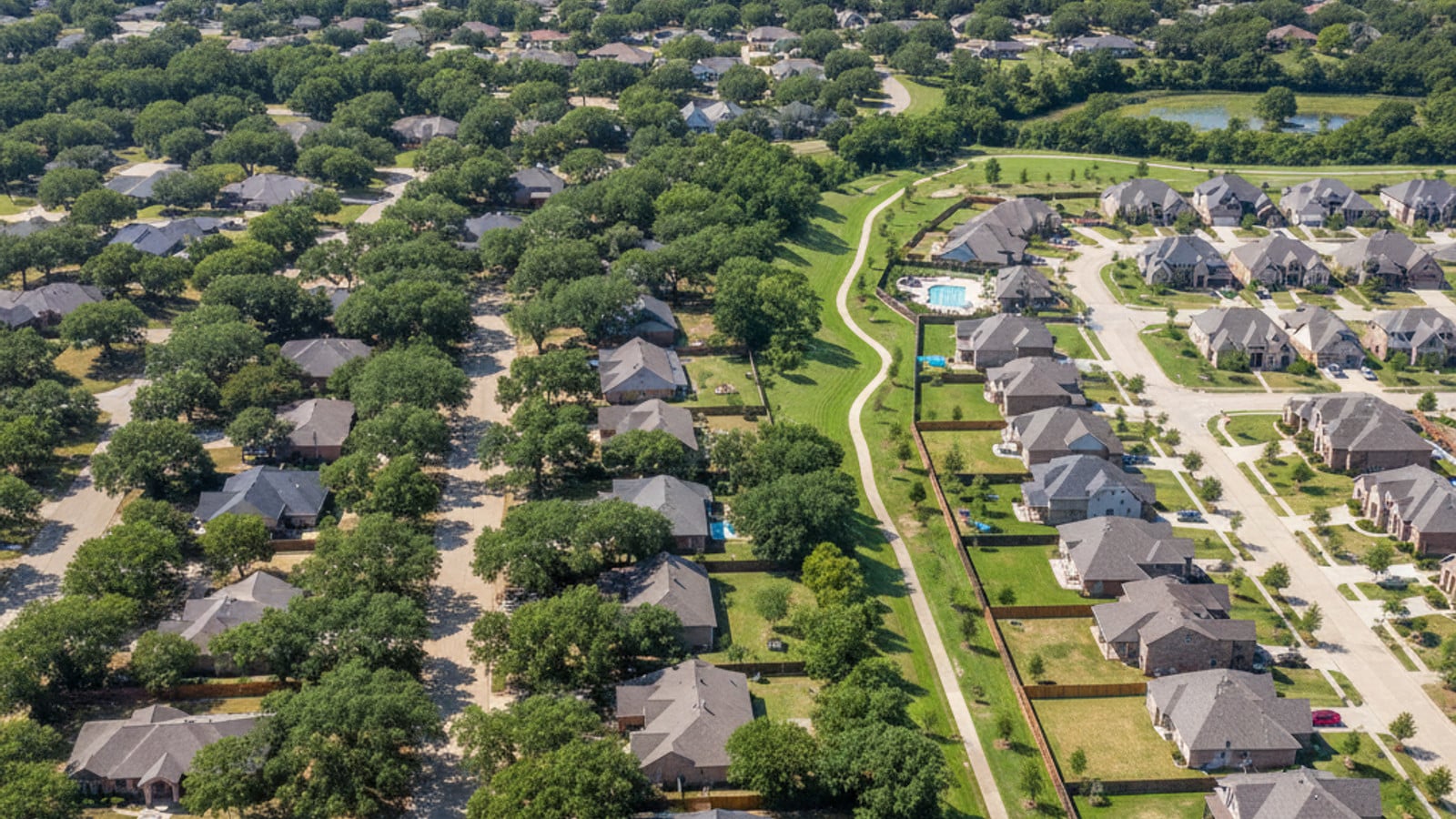
Housing inventory in this part of Texas spans several decades of construction, resulting in distinct price tiers. Lot size, construction year, and interior updates dictate the final number on the settlement statement. Buyers should expect older neighborhoods to offer mature trees and larger yards, while newer sections prioritize modern floor plans and community amenities.
A standard down payment goes further in some neighborhoods than others. Exploring the different housing styles helps clarify what that $400,000 median price buys. Buyers should align their property search with their tolerance for renovation and maintenance.
Mid-Century Ranch Homes
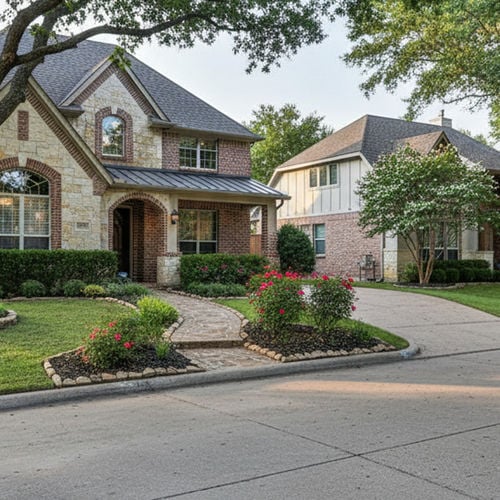
The established streets south of Loop 820 feature many mid-century ranch-style homes. These properties often list below the citywide median, making them a common entry point into the local housing market. Many of these houses retain their original brick facades but feature renovated interiors.
Buyers targeting these older homes should budget for potential system updates. While the initial asking price is lower, factoring in a roof replacement or HVAC upgrade is a practical step.
Lot sizes in these older subdivisions frequently exceed a quarter of an acre. The extra land appeals to buyers who prioritize outdoor space over modern open-concept living areas.
Master-Planned Communities
Newer residential developments demand higher prices, particularly in the Home Town development and along the Iron Horse corridor. These areas feature modern traditional architecture, smaller lot footprints, and integrated green spaces. Prices in these subdivisions frequently exceed $500,000.
The premium paid for these newer builds covers updated energy efficiency and neighborhood cohesion. Homes here also tend to appraise higher due to recent comparable sales within the same subdivision.
Builders in these communities focus on maximizing interior square footage. Buyers will find higher ceilings, larger primary suites, and dedicated home office spaces that reflect current buyer preferences.
Carrying Costs Beyond the Purchase Price
The monthly mortgage payment is only one component of a homeowner's financial obligation. Texas relies on property taxes rather than state income taxes, which means local levies form a substantial part of the monthly housing budget. Lenders will include these estimated taxes when calculating your debt-to-income ratio.
Tarrant County calculates property tax bills based on the assessed value of the home, which may differ from the market value. The total tax bill combines rates from the city, county, school district, and local hospital districts. Filing for a homestead exemption can reduce the taxable value of a primary residence.
Homeowners in North Richland Hills can expect a combined tax rate of approximately 2.24%. A breakdown of the primary taxing entities includes:
Tarrant County base rate: $0.1862 per $100 of valuation.
North Richland Hills city rate: $0.497841 per $100 of valuation.
School district rates: Varies depending on the specific ISD boundary.
Homeowners association fees add another layer to monthly costs. Properties in newer master-planned communities often carry monthly HOA dues ranging from $50 to $150. Older neighborhoods typically have no HOA, which keeps carrying costs lower but places all property maintenance solely on the individual owner.
Getting Around the Metroplex
Travel times impact a property's value and a buyer's daily routine. North Richland Hills sits centrally within the DFW metroplex, offering multiple routes to major employment centers. Most residents rely on the highway system, but public transit options have expanded over the last decade.
Driving to Downtown Fort Worth takes about 20 minutes via Interstate 35W or Loop 820 under normal traffic conditions. The commute to Downtown Dallas is longer, typically requiring 40 to 50 minutes via State Highway 183. Buyers should test these routes during morning and evening rush hours to gauge the daily commute.
The TEXRail commuter line provides an alternative to highway driving. Passengers can board at the Iron Horse or Smithfield stations and reach DFW International Airport Terminal B in roughly 30 minutes. This rail connection is a major selling point for frequent travelers evaluating the area.
Local Infrastructure and City Facilities
Municipal amenities and school boundaries influence local real estate trends just as much as square footage. The city maintains a robust network of public facilities that serve residents across all zip codes. Access to these resources often supports property values during slower market periods.
School zoning splits the city into two primary districts. Birdville Independent School District covers the majority of the city's footprint. The northernmost sections fall within the boundaries of Keller Independent School District, an alignment that often correlates with higher asking prices in the 76182 zip code.
Outdoor recreation centers around the Cotton Belt Trail, which runs parallel to the TEXRail line. The NRH Center provides residents with an indoor aquatics facility, fitness equipment, and event spaces. Proximity to these civic investments remains a common priority for buyers touring the area.
Frequently Asked Questions
Are home prices dropping in North Richland Hills, TX?
Prices have stabilized rather than dropping in 2026. The median sale price holds steady around $400,000, reflecting a balanced market where supply meets current buyer demand. Year-over-year appreciation has slowed compared to the previous five years, but property values remain firm.
How expensive is it to live in North Richland Hills?
Housing costs align closely with the broader Tarrant County average, but property taxes and utilities add to the baseline. A typical buyer purchasing a $400,000 home should prepare for a combined tax rate of about 2.24%. While older neighborhoods lack HOA fees, newer developments will add up to $150 to your monthly expenses.
Check out this article next