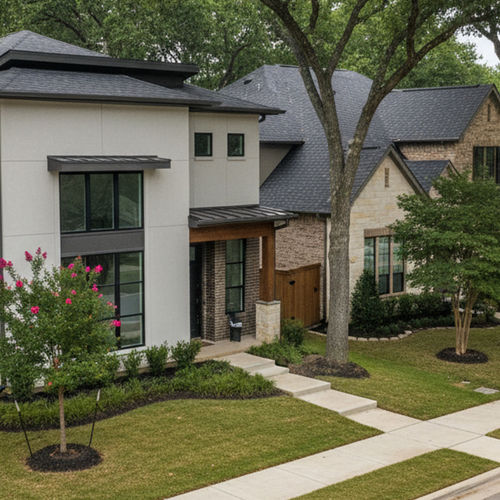


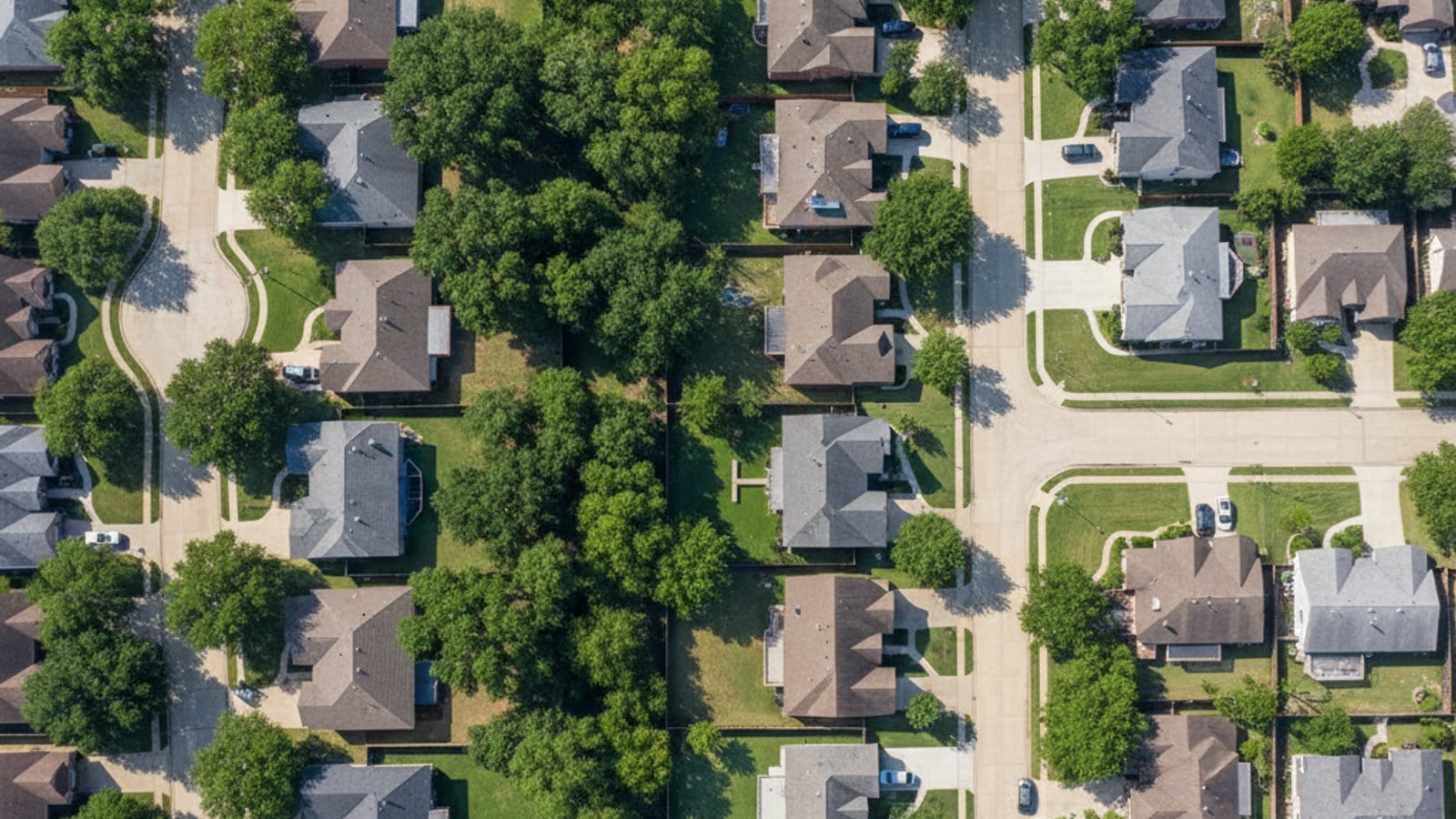
The Dallas-Fort Worth metroplex continues to expand outward, making North Richland Hills, TX a prime target for new residential construction. Buyers looking to create a custom home here face a landscape of limited raw land and steady demand.
Location drives much of the interest in this suburb. Commuters can reach Downtown Fort Worth in roughly 15 to 20 minutes via Loop 820. Reaching DFW International Airport takes about the same amount of time, giving frequent travelers easy access to major terminals.
The TEXRail commuter line adds another transit option for residents. Access points like the Iron Horse and Smithfield stations connect the city directly to the broader regional network. Understanding the timeline and costs for a new build is the first step toward breaking ground.
Finding Land and Preparing Your Lot
Finding an empty, undeveloped lot in North Richland Hills, TX is rare today. Most of the city's residential zones are fully established, meaning buyers often purchase older properties specifically to tear them down.
This approach adds demolition and site preparation to your initial costs. Land clearing, grading, and removing old foundations require specialized contractors before any new foundation work begins. You should factor these steps into your timeline right away.
Utility connections also shape the early stages of development. If you are building on a previously developed lot, existing water and sewer lines might save you some hookup fees. New subdivisions or previously vacant parcels will require full connection fees to tap into the city's infrastructure.
Planning Your Construction Budget
Standard construction in the Dallas-Fort Worth metroplex averages between $180 and $250 per square foot for the 2026 market. Custom builds with premium finishes frequently exceed $300 per square foot. These figures encompass the physical structure but exclude the cost of the land itself.
Material costs and labor rates dictate a large portion of the final price. Entry-level production builds keep costs lower by using standardized floor plans and bulk-ordered materials. High-end custom homes require specialized tradespeople and unique architectural elements, which drives up the overall expense.
Behind-the-walls decisions impact your budget just as much as cosmetic finishes. Upgrading your building insulation or installing high-efficiency HVAC systems requires more upfront capital. These investments should lower your monthly utility bills during the intense Texas summers.
Selecting Your Builder and Design Team
Hiring the right professionals determines the success of your residential project. Buyers generally choose between a design-build firm that handles everything internally or hiring an independent architect alongside a separate general contractor. Both approaches work well depending on your preferred level of daily involvement.
Interviewing local home builders requires looking past their initial sales pitches. You should ask to tour recent builds within the Dallas-Fort Worth metroplex to inspect the quality of their framing and finish work. Speaking directly with past clients provides insight into how the builder handles delays and budget overruns.
A reliable builder will also have established relationships with local subcontractors. This network helps keep your project moving when labor shortages slow down other construction sites. Verify that any contractor you hire carries the proper insurance and state registrations.
Working Through Permits and Zoning Rules
The City of North Richland Hills enforces specific municipal regulations for all new construction. Every project must pass through the city's planning department to ensure the design complies with local zoning ordinances. These rules dictate lot coverage maximums, building heights, and property line setbacks.
Residential building permit fees directly scale with the size of your house. The city currently charges a permit fee of $1.10 per square foot for new one- and two-family homes. This calculation includes all covered spaces, such as unfinished bonus areas and attached garages.
The permitting process involves multiple stages of approval before you can occupy the home. Your builder must schedule required inspections for the foundation, framing, plumbing, and electrical systems. Passing these inspections ensures the structure meets the current Texas building codes.
Taxes, Schools, and Daily Life in the City
The 2025-2026 property tax rate for the City of North Richland Hills sits at approximately $0.497 per $100 of property valuation. This municipal rate funds local infrastructure, police, and fire services. Homeowners also pay separate taxes to Tarrant County and the local school districts.
Most residential addresses in the city fall within the boundaries of the Birdville Independent School District. The district operates numerous campuses across the area, making the morning commute straightforward for many residents. Property values often align with the proximity to these educational facilities.
Public amenities play a large role in the local lifestyle. The NRH Centre provides a massive indoor fitness and aquatic facility for residents of all ages. Outdoor recreation centers around the Iron Horse Golf Course and an extensive network of paved walking trails.
Common Questions About Building Locally
Is $300,000 enough to build a house in North Richland Hills, TX?
A $300,000 budget is generally too low for a new custom build in this market. With average construction costs running $180 to $250 per square foot, that amount only covers a very small footprint before factoring in the cost of land. Buyers should expect total project costs to run much higher.
How long does it take to build a house in North Richland Hills?
Most custom homes take between 10 and 14 months to complete from the day the foundation is poured. Permitting, architectural planning, and site clearing can add another three to six months to the front end of the timeline. Weather delays during the spring storm season can extend this schedule.
Do I need a permit to build a house in North Richland Hills, TX?
Yes, the city requires an approved residential building permit before any construction begins. You must submit detailed architectural plans and pay the $1.10 per square foot fee to the municipal planning department. Trade-specific permits for plumbing and electrical work are also mandatory.
Check out this article next